Source Stainless Steel Dog Cage for Kennels, Labs, and Pets
Find 30 Stainless Steel Dog Cage options for kennels, laboratories, and pet use. Compare models like MCG-304C and PC-8, noting features such as 304 stainless steel construction, desktop structures, and customizable designs to meet specific sourcing needs.
Key considerations
Products List


Large Dog Cages Metal Kennels Outdoor 304 Stainless Steel Modular Dog Cage
$1000.00 - $1500.00
MOQ: 1 Pieces
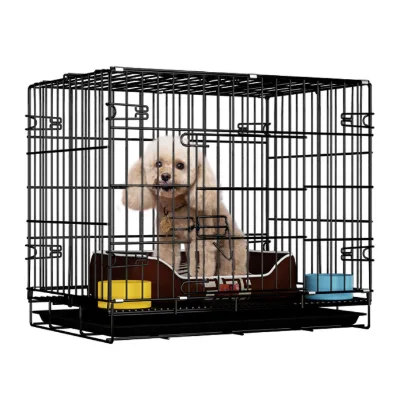


Customized 304stainless Steel Dog Cat Animals Cage Veterinary Cage for Animals
$980.00 - $1412.00
MOQ: 1 Pieces


High Quality Dog Cage Stainless Steel Large Veterinary Cage Pet Dog Cage Double
$500.00 - $800.00
MOQ: 1 Pieces


Veterinary Cages Stainless Steel Pet Cage for Vet Clinic Dog Cat Cage
$1200.00 - $1500.00
MOQ: 1 Pieces

Veterinary Equipment Animal Dog Pet Medical Cage Veterinary Stainless Steel Pet Cage
$1245.00 - $1345.00
MOQ: 1 Pieces


Custom Size Dog Cage Stainless Steel Large Pet Cage Dog Cage for Sale
$0.30 - $2.99
MOQ: 10 Square Meters


Comprehensive Sourcing Guide
Stainless Steel Dog Cage Sourcing Guide
Sourcing stainless steel dog cages requires a nuanced understanding of material grades, structural design, and intended application environments. The market offers a diverse range of products, from modular laboratory enclosures to durable residential pet habitats, each with distinct manufacturing specifications. Buyers must navigate between standardized industrial models and customized solutions, ensuring that the selected cage meets both functional requirements and regulatory standards. This guide provides a structured approach to evaluating suppliers, verifying technical attributes, and managing commercial risks associated with stainless steel pet containment systems.
The procurement process begins with defining the specific use case, whether for veterinary laboratories, animal breeding facilities, or private pet ownership. Stainless steel is preferred for its corrosion resistance, hygiene, and longevity, but the grade of steel and the construction method vary significantly across suppliers. Understanding the observed listing signals, such as model numbers and material types, helps buyers filter out irrelevant products. This guide focuses on evidence-based verification steps to ensure that the sourced cages deliver the promised performance and durability without compromising on safety or compliance.
Product Scope and Observed Listing Signals
The current market landscape for stainless steel dog cages includes a wide variety of models, ranging from compact XS-sized units to large modular structures. Observed listings indicate a price range of 0-2969 USD, reflecting the disparity between simple wire cages and complex, automated systems. Minimum Order Quantities (MOQs) vary from 1 piece to 500 pieces, catering to both individual buyers and large-scale institutional purchasers. Buyers should note that some listings describe products with specific model numbers like MCG-304C or MCG-302C, which may correspond to different structural configurations or material thicknesses.
Applications for these cages span from general pet use to specialized laboratory environments. Some products are explicitly labeled for pets, while others are designed for lab use, indicating differences in cleaning protocols and structural integrity. The observed attributes include features such as waterproof construction, desktop structures, and customizable options. Buyers must carefully distinguish between cages intended for temporary containment and those designed for long-term housing, as the latter often require more robust materials and additional features like trays or specific ventilation patterns.
Technical Specifications to Verify
Material composition is the most critical technical factor in selecting a stainless steel cage. Buyers should verify whether the product uses 304 stainless steel or other grades, as 304 offers superior corrosion resistance compared to lower-grade alternatives. The structure of the cage, whether it is a wire mesh or a solid panel design, impacts both durability and visibility. Some listings specify "stainless steel wire cage" construction, while others mention "stainless steel modular cage," indicating different assembly methods and potential maintenance requirements.
Dimensions and weight capacity are essential for ensuring the cage fits the intended space and supports the animal safely. Observed specifications include sizes such as 12207001570mm and 13008451735mm, highlighting the need for precise measurement before ordering. Buyers should also check for additional features like trays, which facilitate cleaning, and rotating speeds if the cage includes automated components. Verifying the working voltage and input power is crucial for cages with electronic features, such as anesthesia machine controls or automated feeding systems, which may require specific electrical standards.
Compliance and Safety Documentation
Compliance with international standards is vital for cages used in professional or commercial settings. Listings often reference standards such as ISO and CE, which indicate adherence to quality management and safety regulations. Buyers should request documentation to verify these certifications, ensuring that the supplier has undergone proper auditing processes. The absence of clear certification information may indicate a higher risk of non-compliance, particularly for cages intended for laboratory or veterinary use where hygiene and safety are paramount.
Safety features, such as secure locking mechanisms and smooth edges, are essential to prevent injury to the animal and ensure easy handling by staff. Buyers should verify that the cage design includes features like disposable vacuum blood sampling needles or sterile syringes if it is part of a larger medical system. Additionally, the use of pneumatic control methods for anesthesia machines requires careful inspection to ensure that the system is leak-free and reliable. Documentation should also include material safety data sheets to confirm that the stainless steel does not leach harmful substances.
Cost Drivers and Commercial Terms
The cost of stainless steel dog cages is influenced by material quality, manufacturing complexity, and customization options. Higher-grade stainless steel and intricate modular designs typically command higher prices. Buyers should be aware that customization is available for many products, which can increase costs due to additional engineering and production time. Understanding the breakdown of costs helps buyers negotiate better terms and avoid hidden fees associated with custom specifications or expedited shipping.
Commercial terms, including payment methods and delivery times, vary among suppliers. Common payment methods include TT (Telegraphic Transfer), and delivery times can range from 15 to 40 working days. Buyers should clarify these terms in the purchase agreement to avoid delays and ensure timely delivery. Packaging methods, such as wooden boxes or cartons, also impact shipping costs and product protection during transit. Understanding these commercial variables allows buyers to plan their logistics and budget more effectively.
Supplier Qualification and Quality Control
Supplier qualification is a critical step in ensuring the reliability of the sourced cages. Buyers should verify the supplier's origin, with many products originating from China or specific regions like Shangdong. Checking the supplier's production capacity and quality control processes is essential to ensure consistent product quality. Buyers should request samples or conduct factory audits to assess the manufacturing standards and the supplier's ability to meet specific requirements.
Quality control measures should include inspections of material thickness, weld quality, and surface finish. Buyers should verify that the cages meet the specified dimensions and weight capacities through third-party inspection services if necessary. Establishing a clear communication channel with the supplier for addressing defects or discrepancies is crucial for maintaining quality standards. Buyers should also consider the supplier's after-sales support and warranty policies to mitigate risks associated with product failures.
Long-Term Procurement Checks
Long-term procurement success depends on establishing a robust supply chain and maintaining ongoing supplier relationships. Buyers should regularly review supplier performance metrics, such as delivery times, product quality, and responsiveness to issues. Building a relationship with reliable suppliers can lead to better pricing, priority production, and access to new product innovations. Regular audits and feedback loops help ensure that suppliers continue to meet the buyer's evolving needs and standards.
Continuous monitoring of market trends and technological advancements in cage design is essential for staying competitive. Buyers should stay informed about new materials, safety features, and regulatory changes that may impact their procurement decisions. Engaging with industry networks and attending trade shows can provide valuable insights into best practices and emerging suppliers. By maintaining a proactive approach to procurement, buyers can ensure that their stainless steel dog cages remain safe, durable, and cost-effective over time.
FAQs
What customization options are available for stainless steel dog cages?
Customization is available for these stainless steel dog cages to meet specific buyer requirements. The products support customized designs and can be tailored to different applications such as pets or laboratory use depending on the model selected.
Which materials are used to construct these stainless steel cages?
These cages are constructed from stainless steel, specifically 304 stainless steel or stainless steel wire. This material ensures durability and resistance to corrosion, making them suitable for various animal housing applications including dogs and pets.
Can I find stainless steel dog cages with specific certifications?
Yes, some models come with ISO and CE certifications to ensure quality and safety standards. These certifications verify that the manufacturing processes meet international requirements for industrial and laboratory equipment used in animal care settings.
What is the minimum order quantity for purchasing these cages?
The minimum order quantity can be as low as one piece for certain models. However, other listings may require up to 500 units, so buyers should verify the specific MOQ for the desired model and customization level before ordering.
How are these stainless steel dog cages packed for shipping?
Packaging options include wooden cages, wooden boxes, cartons, or standard packing by air or sea. The specific packing method depends on the product model and size, with dimensions like 1580*830*1760mm noted for larger units.
What is the typical delivery lead time for these products?
The delivery lead time ranges from 15 to 40 working days after payment confirmation. This timeframe accounts for manufacturing and logistics, with products originating from locations such as China or Shandong province.
Which models are available for Stainless Steel Dog Cage applications?
Available models include Mcg-304c, MCG-304E, MCG-302C, MCG-304D, MCG-302D, MCG-304B, and Rj010. These models vary in specifications such as size, structure, and intended use for pets or laboratory environments.